


Preparing A Duck For Your Oven by Gary Benton
article copyright
Duck hunting has always been a favorite of mine, but it seems I never get to do as much as I’d like. However, there have been times in my life when I was blessed with good locations to hunt and more importantly to learn the sport. As far as I am concerned getting the ducks is the easiest and most fun of the whole process. It’s the preparing the duck for the dinner table that I used to find a nasty chore.
When I was attending survival school, an instructor told us that fowl can be gutted, sliced down the middle of the chest, the back broken and then placed right on hot coals, inside down. He further informed us it was not necessary to pluck the feathers first. Well, you can do that, but I can tell you from experience that the air round your dinner plate will reek with the smell of burnt feathers and for me, it killed my appetite. As a matter of fact, I’ve eaten just about everything from insects to bear and I just couldn’t get that mallard down. The smell was just too overpowering. As a result, every duck or water fowl I prepare for cooking now has all of the feathers removed.
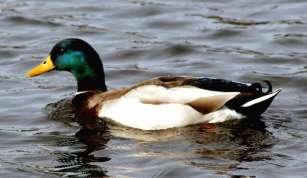 In a survival situation, regardless if it’s the result of being lost in the woods or following a natural disaster, water fowl may be available for harvest. If you have a gun, procuring birds will be easy, but once the bird is in hand, what is the best way to get rid of the feathers? Your first step is to remove the “grain like sack” (called the crop) in the upper chest area. This sack will look and feel as if it contains corn or small pebbles. Then, field dress the duck by cutting from the anus to the chest cavity and removing the entrails. Avoid rupturing or cutting any organs when field dressing, as it will taint the meat. I keep the liver and heart, but some folks don’t.
I suspect for thousands of years the technique of plucking the feathers has been around and while it works it does take time and patience. To pluck any bird, you need to heat a container of water until it reaches the boiling point. Then dunk the bird a few times, pull it from the water and allow it to cool to the touch and start pulling feathers. Make sure you pull the feathers the direction they grow or you’ll tear the skin. While it sounds easy, it’s a real chore, as I’ve found over the years. Then you can use a burning rolled up newspaper, a burner on your stove, or a brand from your campfire to singe the small feathers from the bird. It is both laborious and messy to pluck feathers from a large number of ducks. It’s a job that I totally dislike and avoid when I can.
One of the fastest ways to prepare a duck for your oven is to skin it, cut across the top part of the chest, grasp the skin and pull it downward. Avoid cutting the meat if you have to cut to gain access to the skin as you work. You should not have to use your knife between the skin and meat if you are doing this properly. Additionally, do not allow the duck to get cold or the skinning process is much more difficult to accomplish. Skinning is easiest if done while the bird is still warm.
When cooking a duck that has been skinned place two or three strips of bacon on the bird’s chest prior to roasting in your oven. A skinned duck will be very dry if bacon or some kind of fat is not used. Also, I baste a skinned duck frequently to keep the skin moist. A skinned duck is not nearly as tasty as one with the skin on, but it is the fastest way to prepare for cooking. In a survival situation, I would not use the skinning method, because I’d want the duck’s skin for nutritional purposes.
As far as this old outdoorsman is concerned, the easiest and cleanest way to rid a bird of feathers is to use duck-picking wax. This was is available for order online or you can pick it up in some sporting goods stores. The wax comes in chunks or in beads of 5 pound bags or larger. If you strain the wax after use, it can be used over and over again according to some sources, but I question the safety of doing that.
Duck-picking or plucking wax is much easier to use than paraffin and easier to remove once hardened. I can remember, years ago, using paraffin and it would come off in chunks or in small pieces and many feathers would remain on the bird. Duck-picking wax comes off in easy to peel pieces. First, remove the larger feathers by dry plucking (not using water) and then prepare your water and wax mix.
Heat the water to around 160 degrees, the wax is advertised to melt at 145 degrees, and drop a cube of wax into your container. When it melts, you want at least a quarter of an inch of wax on top of the water. Add more wax as needed. The commercial wax I bought suggests a 25% mix of wax to water. Remember, do not boil the water or you’ll not get a good coating on the bird.
Dip the bird, holding it either by the head or feet, and swish around a few times to coat it evenly with the wax. The key, or so I think, is to have about half of an inch of wax on water fowl before you let it cool. Additionally, keep your water only hot enough to melt the wax, so you get a more even coating on the whole carcass. If the water is too hot, your wax coating will be too thin, especially if it’s boiling, and will require numerous dunking to coat. Once the wax has hardened, pull the wax downward with an even amount of force and the wax will come right off.
Here are some suggestions I have for safe field and home handling of waterfowl:
• Do not pile your ducks on top of each other, or they’ll retain the heat.
• Field dress the bird(s) as soon as possible.
• Remove the “crop” so it does not ferment and it will do so quickly in hot or warm weather.
• Avoid cutting or rupturing the gall bladder sac, next to the liver, or opening any internal organ. This can cause your meat to stink very badly.
• Clean the inside of the carcass by using a paper towel or clean cloth. Do not use leaves, grasses or other natural items like river water, pond water or snow.
• Keep your duck(s) well ventilated, and again, do not stack them on top of each other. Avoid temperatures above 40 degrees or bacterial will start to reproduce rapidly. Refrigerate as soon as possible or prepare and freeze.
• When freezing your bird, mark it with a permanent maker by type of duck, date processed, and rotate it as you use the meat. I suggest, and this is just my opinion, you cook the duck within 6 months of freezing for best flavor.
Take care and be safe in the woods and waters of America.
author website: visit | author bio











 Worlds Largest Grizzly Bear
 Free Printable Targets
 Wild Animal Sound Bytes