


Berry Mini Thunder Bugle by Kevin Gardner
article copyright
The use of an elk bugle is a fine art that many never fully achieve greatness at. Diaphragms that insert in your mouth, hollow grunt tubes of various sizes, external reeds the options seem endless. In the end you hope to find something that is comfortable and more importantly, that you can execute with as close to 100% accuracy every time you hit the call. Not even addressing the volume and pitch which are largely manipulated with each calling sequence, it would seem there is a million ways to call that bull in with about as many product options.
The folks at Berry Game Calls have, in my opinion, streamlined this process into one very easy to use elk bugle called “The Berry Mimi Thunder Bugle”. Don’t let the name fool you; I was skeptical at first as well. I have always been told not to sound like the biggest bull in the woods and when you say thunder bugle, it sounds like you are going to really be shaking the ground. I have found this bugle to be as user friendly and as effective as any of the best bugles readily available.
The unit is compact when the accordion style tube is not extended (28” extended and 10” when collapsed), which makes for a happier hunter. The fixed diaphragm style reed has a convenient cover that keeps it out of the elements until you are prepared to use it. Once the time to bugle is at hand, simply remove the cover (a convenient string attaches the cover to the unit base) place the reed to your mouth, bite down slightly and blow through the diaphragm. The diaphragm can be removed for easy cleaning and storage if you chose not to leave it in the call. There are three diaphragms to choose from that change the pitch and intensity, and can be ordered separately from the manufacturer. This style of call has been very popular since so many folks have a problem working with or even keeping external diaphragms in their mouth without a gag reflex.
Pro’s: The pro side of this call is extensive. I have been fortunate enough to have used mine over several years of calling elk for myself, friends and for photography in the Colorado mountains with incredible success. The range and pitch this call produces are as varied as you could ask for. Using the Berry Mini Thunder Bugle limits the caller only to their own particular understanding of elk communication. I have used it as a locator call, then gone silent and worked toward animals as well as to banter back and forth with herd bulls until they were convinced I had some cows to steal and it worked fantastic in both extremes.
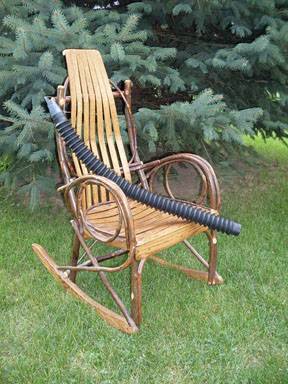 Keeping the tube extended to the desired length when in use is the best option for this call. Opening and closing the call in the woods can make some very unappealing noise, however this would likely be true of most any collapsible grunt tube call. The reeds available for the call are as follows: (From the Berry Game Calls website)
Item # RT-W – White Single Thin Replacement Reeds – The RT-W has a single layer of thin latex. It takes very little air pressure to produce a high pitch (Small – Medium Bull).
Item # RT-B – Black Single Thick Replacement Reeds – The RT-B has a single layer of thick latex. Reproduces the sounds of a medium to large bull elk.
Item # RT-G – Green Double Replacement Reeds – The RT-G consists of two layers of latex. The thick/thin latex combination is designed to produce the sounds of an excited bull elk.
Item # RT-R – Red Criss Cross Replacement Reeds – The RT-R consists of three layers of latex. The RT-R is designed to get more volume and a medium range of tones.
The reed I use in my particular tube is the green double. I have found that I can produce a high enough pitch at a low enough volume to sound as genuine as any live bull I have ever had the opportunity to study. I would recommend this as a starter or basic reed for anyone trying to take on calling for their first season. For the pro’s out there, I think you will agree that this is the standard reed for most situations.
I have recorded bull responses from well over a mile when conditions have been right, and have brought those animals within range of gun, bow or camera. Like any other outdoor tool, you need to practice and work with the unit. Elk are most often vocal between mid September to Mid October when not pressured, so if you have access to elk practice during those times for best results.
Con’s: The Thunder Bugle is so basic that most of the con’s of the call fall onto the user. I would however like to see a tighter fitting reed cover. I know that over time the reed cover will likely wear and not hold as snuggly to the base, but keeping the cover in place has always been a problem with the call I own, perhaps this has already been remedied with more recent production.
Common problems that fall into the user category range from things like over calling or calling way too loudly. Opening and closing the tube make an unpleasant and somewhat loud noise in the very quiet woods. Not practicing with the available reeds would also be a problem when the application may call for a more (or less) aggressive calling sequence.
Tip’s: Here are some tips for calling elk whether you are using the Berry Mimi Thunder Bugle or any of the other manufacturers brands;
Never bugle from roads or established trails. Elk know these exist and nothing says fake to them like a bugle from a high traffic area.
Don’t over-bugle, I wish I could quantify that better but every scenario is unique and paying attention to how the bull is responding is important. If the elk goes quiet, you go quiet. If he continues to communicate, communicate back all the while convincing him that you are not a fighting adversary.
If the bull begins to wander off and get farther away, stop bugling. Likely he has identified you as a threat and is moving the herd away, make a new strategy.
Thermal wind movement is always happening no matter how calm the day. Elk are aware of this and begin to circle a caller to pick up scent. Use the two hunter method and place the shooter away from the caller at the most logical approach route as they will likely catch the bull investigating the call.
Elk make noise; they scrape brush and break branches. To be convincing the caller should mimic those actions. Keep in mind that this would be purpose defeating if caller and shooter are sitting right beside each other.
Locate bulls from a vantage point and don’t expose your outline when doing so. If you make a locate call sequence, do it with some cover around you and do it sparingly. Every bugle causes all eyes to look in your direction and if you can see them, they likely can see you.
Cow talk in conjunction with bugling is essential. Cows are much more vocal than bulls and use a series of communications to locate each other and to communicate. Familiarize yourself with the vocalization of cows fully, as some sharper communication will send the animals running the opposite direction.
Don’t get discouraged. It is a very rare situation where elk bugle outside if the ranges mentioned above. Too many first timers go on a rifle hunt and bugle themselves silly and into frustration. Timing is everything and the one thing you always know is that you don’t always know.
In summation, the Berry Mini Thunder Bugle is in my opinion the most accurate and user friendly elk bugle I have yet to encounter. I own several different brands of various styles and lengths, and have used them all with a degree of success, but none with the consistency of the Berry Mimi Thunder Bugle. I recently purchased a cow call from Berry Game Calls and wanted to experiment with it on a recent trip into the Colorado backcountry, however I have not been successful at toning the call down to an acceptable volume. In my opinion the call is too hard to control and I am working on my technique to try to temper the result.











 Worlds Largest Grizzly Bear
 Free Printable Targets
 Wild Animal Sound Bytes