


Hygiene, The Outdoors, And You by Gary Benton
article copyright
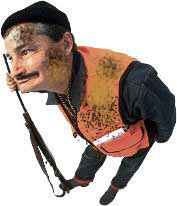
My cousin Bubba always looks dirty. He is one of those people you could dress in silk and gold and he would still look a like a grease monkey after a hard days work. He looks even more disarrayed while outdoors. See, Bubba is not the cleanest guy around and hygiene is very important when you are in the woods.
To me hygiene is made up of clean water, clean and dry clothing, personal cleanliness, proper food preparation, a clean camp site clean eating utensils, and good first aid for minor cuts and scrapes. Each of them compliments the other and keeps a camper in good health. Let’s take a look at each and see why they are important.
Clean drinking water is an obvious need. Purify all water, use designated water at public campsites, or bring bottled water. Bad water will lay a person low very quickly. Never drink water you are unsure of. I suggest water purification tablets, which are small and inexpensive to carry. Alternatively, there are filtering systems out there if you prefer. The easiest and least expensive way to treat water is by boiling it. Regardless of the method you prefer to use, all water must be treated. Keep in mind that even sparkling clear streams may not have clean water.
All clothing should be kept clean, dry, and in good repair. Carry a small sewing kit to repair rips or tears. Learn to sew your clothing, or reattach a button before you venture outdoors. Clean clothing will retain better insulating qualities in cool or cold weather, and wet clothing, even in warm weather, can cause chapping. Besides, wet or dirty clothing can be uncomfortable to wear. Children, as well as some adults, may find this policy of staying clean completely against why they are in the woods to start with. Nonetheless, it must be done.
Wash your clothing regularly when you are on long trips. Use only biodegradable soaps and empty your laundry water far away from any stream or water source. Carry plastic bags to take soiled clothing home if you decide not to wash it at your camping area.
 Believe it or not, you will feel better if you shave and bathe while camping. I have used streams and rivers to bathe in and I have taken a “sponge” bath when I could not reach a body of water. Shaving seems to always “lift me up” while camping. It actually feels good to get rid of the whiskers and I often feel refreshed. The main reason I strive to keep clean is to retard the chances of infection from injuries I might sustain. The cleaner you stay the healthier you remain. I wash my hands often and keep my nails cut short. Underclothing and outer-clothing should be changed daily. While all of this usually surprises the kids, when they first start camping, it is a good habit for them to get into.
An area of hygiene we hardly ever consider is dead animals. Never touch a dead animal with your hands. If you must move it, do so with caution, using a shovel or limbs. You can bury it, but make sure you cover the grave with heavy stones to keep other animals from digging it up to feed on it. Some animals may have died from diseases and their bodies could prove to be harmful to humans. Make sure your children, if they are along, know not to play with or touch dead animals.
Food preparation is another area where hygiene is important. If you spend the afternoon putting worms on a hook and return for lunch, do you wash your hands? Come on all of you guys, be honest here! Not only your personal cleanliness is an issue but also the quality of the foods. Have all perishables been kept at a proper temperature? Do you eat the green steak or discard it? Is the meat, especially ground up meats and poultry cooked to the proper serving temperatures? Keep all of the cooking utensils stored with in a dry and clean spot. I usually keep mine in a box in the tent or under a tarp. However, it doesn’t matter where you store them as long as they stay dry and clean.
How about your campsite? Is it clean? Do you have a designated “trash container”? Or, do you have cola cans, wrappers, and other liter scattered around your camp? Keep in mind, in most States you can be fined for a messy campsite. I separate paper items, cans, bottles, and recyclable items. Each day I burn the paper stuff and food scraps (if you bury them, wild critters will just dig it all up), place the other stuff in large trash bags, or laundry bags, and place it yards away from my camp, usually tied high up on a tree limb. By hanging it in a tree I keep the small hungry critters and insects away from my camp. Raccoons love liter and will make a lot of noise at night as they feed in your camp. Then again, nothing is worse than bees buzzing around the remains of a cola can or spilled sweets. Stay clean and keep the uninvited guest list down.
Clean cooking and eating utensils are an absolute necessity! This means not only cleaning your plates, pots, pans, knives and forks, but rinsing them off well also. Have your cooking utensils been properly washed? Have they been washed at all? If they were washed has all the soap been rinsed from them? Guess what happens if you ingest soap? Yep, you could get diarrhea. My son once (sorry Dave) gave the whole group a bad case of the “leaping revenge” because he failed to rinse the dishes after he had washed them. Live and learn, but dirty, or poorly rinsed, utensils will knock even the strongest person on their knees quickly. Keep your dishes and eating utensils as clean as possible.
Now, speaking of “leaping revenge.” At some point or another all us in the woods will have to use the “bathroom.” You can take a portable toilet, use a “honey bucket”, or use public restrooms. If no public restrooms are available, use some common sense. Do not designate a toilet area near your water source, up hill from your camp, or near where you store or prepare the food. I usually make my designated toilet at least 100 feet from the camp. Make sure each person, especially children, are reminded to only “go” in the area you have designated as the toilet. Have a shovel, roll of toilet paper, and loose sand or soil near your pit. Now, your pit can be as long as you like, but I suggest it be at least 12 inches wide. Once you do your thing, add a few shovels of dirt or sand over your waste. This will assist in reducing the smells from your bathroom (when the wind shifts) as well as the number flies and other insects down.
When you construct your toilet area you can make elaborate chairs, support beams, or whatever you want, but make sure everyone uses the pit when they have the need to go. You can also screen the area in with a tarp, or just make sure it is in some bushes. Everyone wants some privacy when taking care of business.
Finally, let’s discuss how first aid plays into the hygiene picture when we camp, fish, or hunt. Most of the injuries we sustain in the outdoors are very small cuts, punctures, burns or scrapes. You know the kind of injury I am talking about; you cut a finger fixing dinner, you get a fish hook in a thumb, or you fall and scrape a knee or ankle as you hike. It is important to immediately wash the injury with soap and water, and then cover it with a protective material. Now, there are liquid bandages out there, band-aid strips, and other material for coverings. You should use the one you prefer, as long as you use one. These steps are to avoid infection. I always carry a basic first aid kit when I am outdoors and recommend you do the same.
I have seen the smallest of cuts become major injuries due to infection. By washing the injury you are removing foreign matter and when covering the injury you’re attempting to keep foreign matter out. If you keep your body clean, wear clean clothing, keep your campsite clean, and protect the injured area you will reduce the chances of infection. Of course, with any serious injury or infection seek medical treatment as soon as possible.
Camping or spending time outdoors does not have to be a painful experience. Use common hygiene sense and your time will be spent enjoying nature, instead of continuously answering “natures call.” Remember, keep everything, including yourself, clean and you will do just fine. Enjoy your time outdoors!
author website: visit | author bio











 Worlds Largest Grizzly Bear
 Free Printable Targets
 Wild Animal Sound Bytes